Optimizing nutrition is a key strategy for couples looking to conceive. While factors like age and medical history strongly influence fertility, diet is one important area where you can take control. In fact, research has shown that healthy eating patterns are associated with significantly lower odds of infertility. Focusing on a diet to support conception can improve reproductive outcomes. This article takes a technical, evidence-based look at how nutrition affects fertility in both women and men. We will explore foods for fertility, meal planning, and lifestyle tips to enhance egg and sperm health.
Key Nutrients and Best Fertility Vitamins
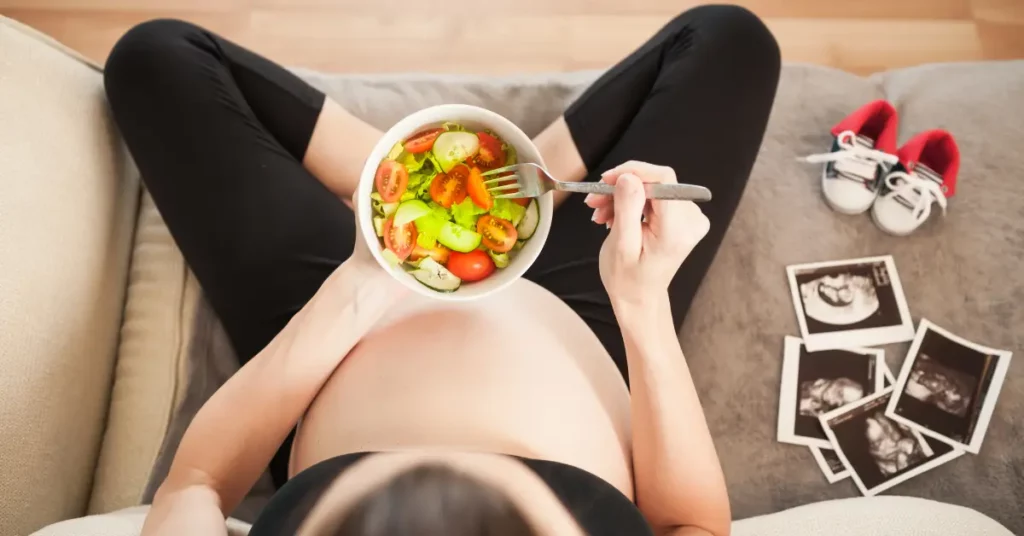
Ensuring you get these nutrients for ovulation and early fetal development can make a big difference in conceiving and sustaining a healthy pregnancy. Women of childbearing age should consume at least 400 micrograms of folic acid (vitamin B9) daily. Below are some of the best fertility vitamins and minerals to focus on:
- Folate (Vitamin B9): Crucial for DNA synthesis and cell division. Adequate folate before and during early pregnancy is proven to reduce the risk of neural tube defects. It also supports ovulation and implantation. Women trying to conceive should take at least 400–800 µg folic acid daily, as found in prenatal vitamins and leafy green vegetables.
- Vitamin B12: Works closely with folate in cell division and is important for DNA replication. B12 deficiency can impair ovulation or implantation. Include B12-rich foods like fish, dairy, and eggs, or a supplement if you follow a plant-based diet.
- Vitamin D: This fat-soluble vitamin plays a role in ovarian follicle development and embryo implantation. Many adults are deficient in vitamin D. Getting moderate sun exposure and consuming vitamin D-fortified foods or supplements can support fertility. In some studies, women with sufficient vitamin D levels have higher IVF success rates and pregnancy rates.
- Iron: Iron is essential for forming healthy red blood cells and ovulatory function. Iron deficiency anemia is linked to anovulation and may hinder conception. Ensure your diet includes iron-rich foods like lean meats, beans, spinach, and fortified grains. Pair plant sources of iron with vitamin C to boost absorption.
- Omega-3 Fatty Acids: These anti-inflammatory fats (DHA and EPA) are not vitamins but are critical nutrients for fertility. Omega-3s help regulate hormones and promote a healthy uterine environment. They have also been associated with improved egg quality and embryo development. Men benefit too. Omega-3 intake is linked to healthier sperm membranes and motility.
- Zinc and Selenium: These trace minerals support reproductive hormone production and protect against oxidative stress. Zinc, abundant in oysters, poultry, and nuts, is needed for sperm production and ovulation. Selenium acts as an antioxidant in the reproductive tract; adequate selenium is associated with improved sperm quality and may reduce the risk of miscarriage.
- Antioxidant Vitamins (C and E): Vitamin C and vitamin E help neutralize free radicals in the ovaries and testes. Oxidative stress can damage egg and sperm DNA, so a diet high in antioxidants can safeguard reproductive cells. Vitamin C and vitamin E support hormone balance and egg quality. For example, Vitamin C has been linked to healthy progesterone levels post-ovulation, and Vitamin E is found in the fluid around developing eggs, indicating its protective role.
A good prenatal multivitamin is an effective way to get these nutrients in appropriate amounts. Taking such vitamins for conceiving helps build up your nutritional reserves. By focusing on these key micronutrients, you create a solid foundation for fertility and overall health.
Fertility-Boosting Foods and Dietary Patterns
Beyond individual vitamins, the overall quality of your diet strongly influences fertility. So what foods should you eat to boost fertility? Think of building your meals around nutrient-dense, unprocessed ingredients. Here are some top food categories and examples of foods that increase fertility in females:
- Leafy Green Vegetables: Spinach, kale, Swiss chard, broccoli. These are packed with folate, iron, and calcium. Greens support egg quality and ovulation, and they also provide magnesium, which can help regulate hormones. Aim to include greens daily, e.g., a spinach salad or adding kale to smoothies.
- Berries and Citrus Fruits: Berries and citrus are high in vitamin C and other antioxidants. Antioxidants help protect eggs and sperm from oxidative damage. These fruits also supply fiber and folate. Snack on berries or add them to yogurt, and drink a glass of orange juice or eat an orange for a vitamin C boost.
- Whole Grains: Replace refined grains with whole grains like oats, quinoa, brown rice, whole wheat, barley, and millet. Whole grains are rich in B vitamins, fiber, and iron. Unlike high-glycemic refined carbs, whole grains support stable blood sugar levels, which is essential for preventing insulin spikes that can interfere with ovulation. Try a bowl of oatmeal for breakfast or swap white rice for quinoa in meals to create a fertility meal plan.
- Lean Proteins: Protein provides the building blocks for reproductive hormones and the developing embryo. Favor lean and plant-based proteins such as beans, lentils, chickpeas, tofu, eggs, and poultry. These provide protein without excessive saturated fat. Replacing some animal protein with plant protein has been associated with a lower risk of ovulatory infertility. Fatty fish are also excellent because they supply protein plus omega-3 fatty acids. If you don’t consume fish, consider an algae-based omega-3 supplement to get DHA/EPA for fertility.
- Dairy (in moderation): Dairy products can be part of a fertility diet, as they provide calcium, protein, and vitamin B12.
- Healthy Fats: Not all fats are created equal. Sources of healthy fats include extra-virgin olive oil, avocados, nuts, seeds, and fatty fish. These foods provide monounsaturated and polyunsaturated fats, which help reduce inflammation and improve cellular function. Omega-3 fats, in particular, are anti-inflammatory and support hormone production. For women, omega-3s may enhance the quality of eggs and increase blood flow to the uterus; for men, they can enhance sperm morphology (shape) and motility.
You might consider working with a dietitian to develop a personalized female and male fertility diet that suits your tastes and needs. The core principle is to eat a variety of whole foods while limiting junk food.
Foods and Habits to Avoid When Trying to Conceive
Just as some foods promote fertility, others can hinder it. An unhealthy diet can upset hormone balance, increase inflammation, and even directly affect egg and sperm quality. If you’re aiming for a fertility-friendly lifestyle, it’s wise to cut down on the following foods and habits:
- Trans Fats: Trans fats are the artificial fats found in many fried foods, margarines, and packaged snacks. They are the number one food to avoid for fertility. Trans fats not only harm heart health but also dramatically increase the risk of infertility. One Harvard study found that consuming just 4 grams of trans fat per day was associated with a 73% higher risk of ovulatory infertility. These fats can disrupt insulin sensitivity and promote inflammation, which in turn impairs ovulation. Read labels and avoid foods with hydrogenated oils. Use healthier fats, such as olive or coconut oil, for cooking instead of shortening or margarine.
- Excess Sugars and Refined Carbs: High intake of sugary foods, sweetened beverages, and refined carbohydrates can wreak havoc on your metabolic and hormonal health. Rapid spikes in blood sugar and insulin may contribute to hormonal imbalances that affect ovulation.
- High-Mercury Fish: Fish is generally a healthy protein, but certain large predator fish contain mercury, a heavy metal that can accumulate in the body and harm reproductive health. Women trying to conceive should avoid high-mercury fish such as swordfish, shark, king mackerel, tilefish, and bigeye tuna. Mercury can linger in the body and has been associated with infertility and miscarriage. Instead, choose low-mercury seafood like salmon, sardines, trout, shrimp, and light tuna.
- Excessive Caffeine: Moderation is key with caffeine. While a cup of coffee or tea per day is generally considered fine, high caffeine intake has been linked by some studies to a higher risk of miscarriage and potential fertility issues. Caffeine in very large amounts might impair muscle contractions in the fallopian tubes that help eggs travel, or possibly affect hormonal levels. To be safe, limit coffee to about one cup a day when trying to conceive, and watch out for other sources of caffeine like energy drinks. Alternatively, switch to decaf or herbal teas to satisfy your warm beverage cravings without excess caffeine.
- Alcohol: It’s well known that heavy alcohol use can reduce fertility in both women and men. Alcohol can alter estrogen and testosterone levels, negatively impact ovulation, and reduce sperm count and quality. Even moderate drinking might make it harder to get pregnant. For men, alcohol can decrease testosterone and lead to abnormal sperm. The safest choice while trying to conceive is to avoid alcohol entirely or keep it to only an occasional drink. Women who are actively trying should strongly consider abstaining, since they could become pregnant and not realize it for a few weeks, as alcohol during early pregnancy can cause harm.
Beyond diet, certain lifestyle habits are also important to avoid for fertility’s sake. Smoking is extremely detrimental to fertility. It accelerates egg loss and damages sperm DNA, leading to a higher risk of infertility and miscarriage. If you or your partner smokes, seek help to quit as part of your preconception plan. Illicit drug use can also impair reproductive function and should be stopped. Limit exposure to environmental toxins by washing produce thoroughly and perhaps choosing organic for the “dirty dozen” high-pesticide fruits/veggies. Consider using glass or stainless steel food containers instead of plastic to reduce exposure to BPA and other endocrine disruptors that may affect hormones.
Female Fertility Nutrition: Supporting Egg Quality and Ovulation
For women, nutrition can directly influence hormonal balance, menstrual regularity, and egg (oocyte) health. One key goal in female fertility nutrition is to create optimal conditions for ovulation and for eggs to mature properly. This involves supplying ample nutrients and minimizing anything that could damage the eggs. Energy balance (calories in vs. out) affects reproductive hormones. Women who are underweight (BMI < 18.5) may stop ovulating regularly because the body senses insufficient energy availability. On the other hand, being overweight (BMI > 25 or 30) or having obesity can lead to excess estrogen, insulin resistance, and disrupted ovulation. By eating a balanced diet and keeping a healthy weight, you improve your chances of regular menstrual cycles. I
Many women today are trying to conceive in their late 30s or 40s, an age range where egg quantity and quality decline more rapidly. Although age-related decline is natural, you can take steps to mitigate the effects. A nutrient-dense diet is especially critical for those over 40. Antioxidants become even more important to counteract the accumulated oxidative damage in eggs. Coenzyme Q10 (CoQ10) is one supplement often recommended for women in this age group. It’s an antioxidant that helps mitochondria in eggs produce energy. Early research is promising: a 2025 scientific review concluded that CoQ10 supplementation can improve egg quality and ovarian function in older women by boosting mitochondrial health and reducing oxidative stress. If you are over 40 and trying to conceive, discuss with your doctor about CoQ10 or other supplements. Additionally, ensure you’re getting enough protein, B vitamins, and vitamin D, as deficiencies in these can further compromise egg quality. Improving egg quality after 40 naturally also involves lifestyle factors: adequate sleep, regular moderate exercise, and stress reduction may help improve the hormonal environment for your eggs. Keep expectations realistic. Nutrition is not a guarantee against age, but it can optimize whatever ovarian potential remains.
Prenatal Nutrition and Supplements for Conception
Even with the best diet, it can be challenging to obtain every nutrient in optimal amounts every single day. That’s why prenatal supplements are recommended as a safety net for women trying to conceive. Prenatal nutrition refers to both the dietary habits and the supplemental nutrients that prepare a woman’s body for pregnancy. If you are planning to become pregnant, start acting as if you already are in terms of nutrition, at least 3 months ahead of time, and ideally as soon as you stop.
Conception Counseling and Professional Support
While nutrition forms a robust foundation for fertility, it works best in tandem with professional medical guidance. If you have been trying to conceive for a while without success, or if you have underlying health conditions, consider seeking conception counseling or consulting a fertility specialist. Fertility experts can assess factors beyond nutrition and then advise appropriate interventions. They can also connect you with fertility-focused dietitians or provide personalized nutritional recommendations based on your situation.
Many fertility clinics offer fertility consultation services that include a review of your lifestyle. At IVF Center Hawaii, for instance, the care team provides comprehensive consultation that covers medical treatment options as well as nutritional and lifestyle advice to optimize your conception chances. Professional input ensures you do not overlook any critical steps. For example, a doctor might identify that a thyroid imbalance is affecting your fertility and prescribe medication alongside your diet improvements. Or they may do a semen analysis for the male partner and recommend specific supplements or treatments if any parameter is suboptimal.
Strong fertility and nutrition go hand-in-hand. A fertility-focused diet rich in whole foods, coupled with the right vitamins and supplements, can support reproductive hormones, improve egg and sperm quality, and increase your odds of conception. Adopting these nutritional strategies is a positive step, whether you are trying naturally or preparing for treatments like IVF. Moreover, always remember that personalized guidance from healthcare professionals complements your nutritional efforts. Don’t hesitate to engage in fertility consultation services or preconception counseling for tailored advice. By nourishing your body well and aligning with expert support, you create the healthiest possible environment for a new life to begin.
Sources:
- Frontiers in Nutrition (2025) – Diet and female fertility: a population-based study re-evaluating the need for prescriptive dietary patterns. frontiersin.org
- Centers for Disease Control and Prevention (May 20, 2025) – Folic Acid: Sources and Recommended Intake. cdc.gov
- UPMC HealthBeat (2019) – Fueling Fertility: How Nutrition Can Improve Your Chances. share.upmc.com
- Harvard Medical School (2007) – Trans Fats May Raise Risk of Infertility. hms.harvard.edu
- Cleveland Clinic (2025) – How To Increase Sperm Count and Improve Male Fertility. health.clevelandclinic.org
- News-Medical (2025) – CoQ10 shows promise in boosting female fertility by reviving aging eggs. news-medical.net