When trying to conceive, many couples wonder how long it should take and when to worry about potential fertility issues. Infertility can be an emotionally challenging journey. It’s a key aspect of women’s reproductive health that often isn’t discussed openly. In reality, millions of couples face difficulties in conceiving. It’s essential to understand the typical fertility timeline, recognize possible signs of infertility, and know when to seek professional help.
Fertility Basics: What Is Normal?
It might be reassuring to know that even for healthy couples, conception can take some time. Humans actually have a relatively low natural fertility rate. A fertile young couple engaging in regular unprotected intercourse has only about a 20–25% chance of conceiving in any given month. Over about a year of trying, roughly 80–85% of couples will successfully become pregnant. The remaining couples may simply need a bit more time, or there may be underlying issues affecting fertility. Factors like timing intercourse around ovulation and maintaining overall health can improve the odds, but it’s normal for it to take multiple cycles to achieve pregnancy.
Age is one of the most significant factors in fertility. Women are most fertile in their 20s, after which fertility gradually declines. By the early 30s, chances of conception per cycle start to drop, and after age 35, the decline accelerates. Understanding the female fertility timeline is crucial: for example, a woman in her early 20s has roughly a 25% chance of getting pregnant each month, but by age 40, that chance is only around 5% per cycle. This dramatic change is due to the decreased quantity and quality of eggs as a woman ages. Lifestyle and overall women’s reproductive health can support fertility, but they cannot fully counteract age-related declines. Men’s fertility also gradually decreases with age, though the effect is generally less pronounced than in women.

Signs of Infertility
In many cases, infertility can be “silent.” The most obvious sign is simply not getting pregnant despite regular efforts. Often, there are no noticeable symptoms until a couple realizes conception isn’t happening. The primary sign of infertility is the inability to achieve pregnancy after 6–12 months of trying. Other signs can be subtle and may vary between women and men:
- Women: Irregular menstrual cycles or no periods at all can signal ovulation problems. Extremely heavy or painful periods might indicate conditions like endometriosis. Some women experience hormonal symptoms or other endocrine disorders affecting fertility.
- Men: There are often no obvious outward signs of male infertility beyond failure to conceive. However, certain clues could point to problems. For instance, difficulty with sexual function or changes in hair growth, muscle mass, and other features that suggest hormonal imbalances. In some cases, physical signs like pain or swelling in the testicular area might be present.
The lack of symptoms does not always mean everything is fine. Many have infertility in women or male fertility issues with no visible indicators. That’s why doctors typically define infertility by the timeframe of trying to conceive rather than by symptoms alone.
Common Causes of Infertility in Women
There are numerous possible causes of female infertility, and often more than one factor is at play. Broadly, successful conception in women requires healthy ovulation, open fallopian tubes, and a receptive uterus for implantation. If a woman isn’t ovulating regularly, it dramatically lowers the chance of conception. One prevalent ovulatory disorder is polycystic ovary syndrome (PCOS), a hormonal condition that can cause irregular or absent ovulation. Other significant causes and risk factors for female infertility include:
- Endometriosis: Endometriosis is a chronic inflammatory condition in which tissue similar to the uterine lining grows outside the uterus, most commonly on the ovaries, fallopian tubes, pelvic ligaments, or surrounding organs. This misplaced tissue responds to hormonal changes during the menstrual cycle, which can trigger inflammation, pain, and the formation of adhesions or scar tissue. Over time, these adhesions may distort pelvic anatomy, restrict the movement of the ovaries or fallopian tubes, or interfere with the release and pickup of an egg during ovulation. Endometriosis can also alter the pelvic environment by increasing inflammatory markers, which may negatively affect egg quality, sperm function, and embryo implantation. Even mild cases can impact fertility, making early diagnosis and individualized management crucial for women trying to conceive.
- Tubal blockages or damage: Often due to pelvic inflammatory disease (PID) from past infections, or scar tissue from surgery. Blocked fallopian tubes prevent the sperm and egg from meeting.
- Uterine abnormalities: Structural issues within the uterus can affect a woman’s ability to conceive or maintain a pregnancy, even when ovulation and fertilization occur normally. Conditions such as fibroids, polyps, or congenital uterine malformations may alter the shape or environment of the uterine cavity, making implantation more difficult. Fibroids, for example, can distort the uterine lining or reduce blood flow needed to support an early pregnancy, depending on their size and location. Polyps may create localized inflammation that interferes with embryo attachment. Congenital abnormalities, such as a septate or bicornuate uterus, can also increase the risk of miscarriage. Many uterine issues are treatable, and identifying them early can significantly improve fertility outcomes and pregnancy success rates.
- Diminished ovarian reserve: While egg supply naturally declines over time, some women experience this decrease earlier due to genetic factors, medical treatments such as chemotherapy, autoimmune conditions, or prior ovarian surgery. A lower egg count does not necessarily mean pregnancy is impossible, but it often makes conception more challenging and time-sensitive. Egg quality is equally important, as chromosomal abnormalities become more common when reserve declines. Women with diminished ovarian reserve may still ovulate regularly, which can delay diagnosis. Specialized hormone testing and ultrasound assessments are often needed to evaluate reserve and guide decisions about fertility treatment or preservation strategies.
- Hormonal imbalances: Beyond PCOS, conditions affecting the thyroid or pituitary gland can disrupt reproductive hormones and ovulation.
- Lifestyle and health factors: excessive weight or very low weight, smoking, heavy alcohol use, extreme stress, and certain chronic illnesses can impair fertility in women.
Many of these issues are treatable or manageable once identified. A gynecologist or reproductive specialist can perform tests to diagnose these causes. Addressing underlying women’s reproductive health conditions often improves fertility outcomes.
Common Causes of Infertility in Men
Male fertility primarily depends on the quantity and quality of sperm produced. The most frequent male fertility issues involve problems with sperm count, sperm motility (movement), or sperm morphology (shape). A low sperm count is a common reason for male infertility. Various low sperm count causes can underlie these problems, ranging from medical conditions to lifestyle factors. For example, an enlargement of veins in the scrotum known as a varicocele is a frequent cause that can impair sperm production and quality. Hormonal disorders or genetic conditions can also lead to low sperm count or abnormal sperm. Certain infections may damage the reproductive tract or sperm production. Even behaviors and exposures play a role: heavy alcohol use, smoking, anabolic steroid use, and exposure to heat are known to reduce sperm production.
Sometimes, male infertility is indicated by an underlying issue, but just as often, there are no obvious symptoms. That’s why semen analysis is typically one of the first steps in an infertility workup for a couple. The good news is that many fertility treatment options exist to help men with low sperm count or other sperm abnormalities.
When to Seek Fertility Treatment
Knowing when to see a fertility doctor is critical so that you don’t wait too long. General medical guidelines depend largely on the woman’s age. For a healthy couple in which the woman is under age 35, infertility is typically defined as no pregnancy after 12 months of regular, unprotected intercourse. So if you’ve been trying for a year without success, it’s time for a basic fertility evaluation. If the woman is 35 or older, experts advise seeking help after 6 months of trying without conceiving, since female fertility declines with age. And for women over 40, it’s often recommended to talk to a doctor as soon as possible when considering pregnancy, because time is of the essence.
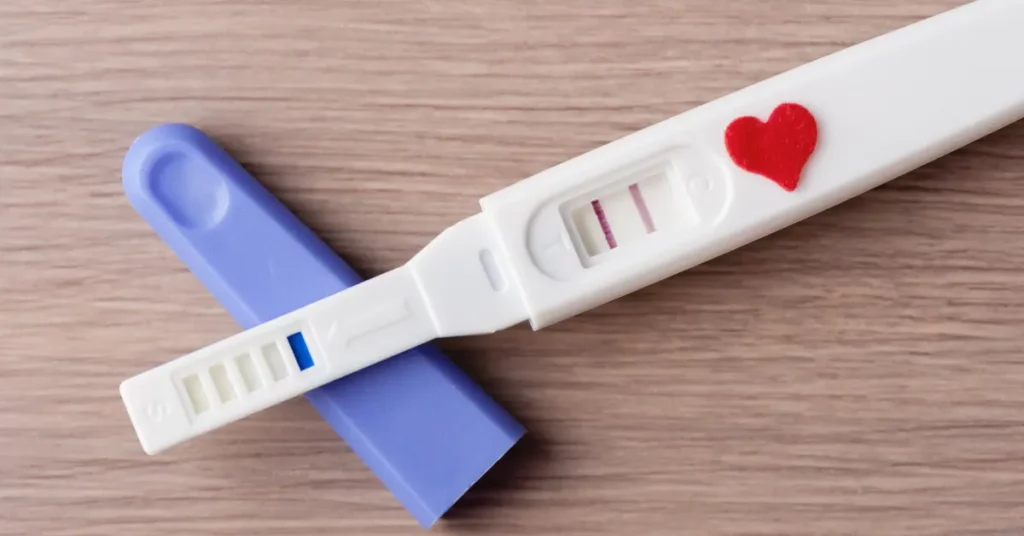
Beyond these age-related timelines, there are some situations where you can get delayed pregnancy help from a specialist. You should seek an earlier fertility consultation if you have known issues or symptoms that could affect fertility. For women, red flags include very irregular or absent periods, excruciating periods, or a history of endometriosis, previous pelvic infections or surgery, or multiple miscarriages. For men, a history of testicular injuries, surgeries, chemotherapy, significant sexual dysfunction, or prior infertility with another partner is a reason to see a doctor sooner rather than later. In any of these cases, it’s prudent not to wait the full 6 or 12 months.
It’s also worth emphasizing that an initial fertility evaluation doesn’t mean you’re committing immediately to high-tech treatments. It’s simply a check-up to identify any underlying issues early. Often, your OB/GYN or local family planning services can start a basic workup and may refer you to a reproductive endocrinologist if needed. A fertility consultation typically involves reviewing both partners’ medical histories and some tests. For example, bloodwork to check hormone levels, a semen analysis for the male partner, and perhaps imaging to look for any uterine or ovarian issues. These assessments will help the doctor advise whether any intervention is needed or if you just need a bit more time to try.
Choosing a Fertility Clinic and Doctor
Once you’ve decided to seek treatment, the next step is finding the right specialists to work with. Many people start by researching local fertility clinics and asking their primary doctors for recommendations. It’s wise to look for clinics that have top fertility doctors who specialize in infertility and have a strong track record. Success rates can often be found through clinic websites or databases, but remember that every patient’s situation is unique. The best fertility clinics for you will make you feel comfortable, informed, and supported, in addition to having solid credentials. Consider factors like the range of services offered, the clinic’s location and convenience, and patient reviews or testimonials.
At your first fertility consultation, you should expect a thorough discussion of your medical history and possibly some initial tests as described earlier. A good fertility doctor will explain the findings and outline a recommended plan, which might start with simpler approaches. Don’t hesitate to ask questions about why a certain treatment is suggested, what the process entails, and what the costs and time commitments are. You might also inquire about the clinic’s support resources. Dealing with infertility can be stressful, so clinics that offer counseling or support groups can be beneficial.
While evaluating clinics, avoid any that make unrealistic promises or pressure you into expensive treatments without a proper diagnosis. Infertility treatment is very much a personalized journey. For some, staying with their gynecologist for a bit longer and trying less invasive methods is a valid choice. For others, proceeding to a specialist quickly is the better route. Trust and communication with your healthcare providers are paramount. IVF Center Hawaii is one clinic known for providing comprehensive care, illustrating the level of expertise and support you should look for in any fertility center you choose.

Deciding when to seek fertility treatment is a personal decision, but being armed with knowledge about key signs and timelines can guide you. If you’ve been trying to conceive without success for the recommended period, it’s wise to consult a fertility specialist. Early evaluation can uncover issues that might be addressed sooner rather than later. Remember that infertility is a common medical condition. You are not alone, and it’s not a reflection of personal failure. Thanks to modern fertility treatment options, many causes of infertility can be overcome, and success rates for IVF treatments have improved significantly over the years. Whether the solution is a simple lifestyle change or a high-tech intervention, the goal is to help you achieve a healthy pregnancy.
Sources
- my.clevelandclinic.orgmy.clevelandclinic.org Cleveland Clinic – Male Infertility: Causes, Symptoms, Tests & Treatment (overview of human fertility and male factor causes)
- betterhealth.vic.gov.au Better Health Channel (Victoria State Govt) – Age and Fertility (female age vs. pregnancy odds statistics)
- mayoclinic.org Mayo Clinic – Infertility: Symptoms & Causes (common signs and when to see a doctor)
- my.clevelandclinic.org Cleveland Clinic – Infertility: Causes (ovulation disorders as a common cause of female infertility)
- cdc.gov CDC – Infertility FAQ (guidelines on when to seek help based on age and duration of trying)